
A
Q
U
I
L
A
- info@aqbiosolutions.com
- +91 79909 06472
- Open Hours: Mon – Fri: 9:30am to 6:30pm

Textile Enzymes
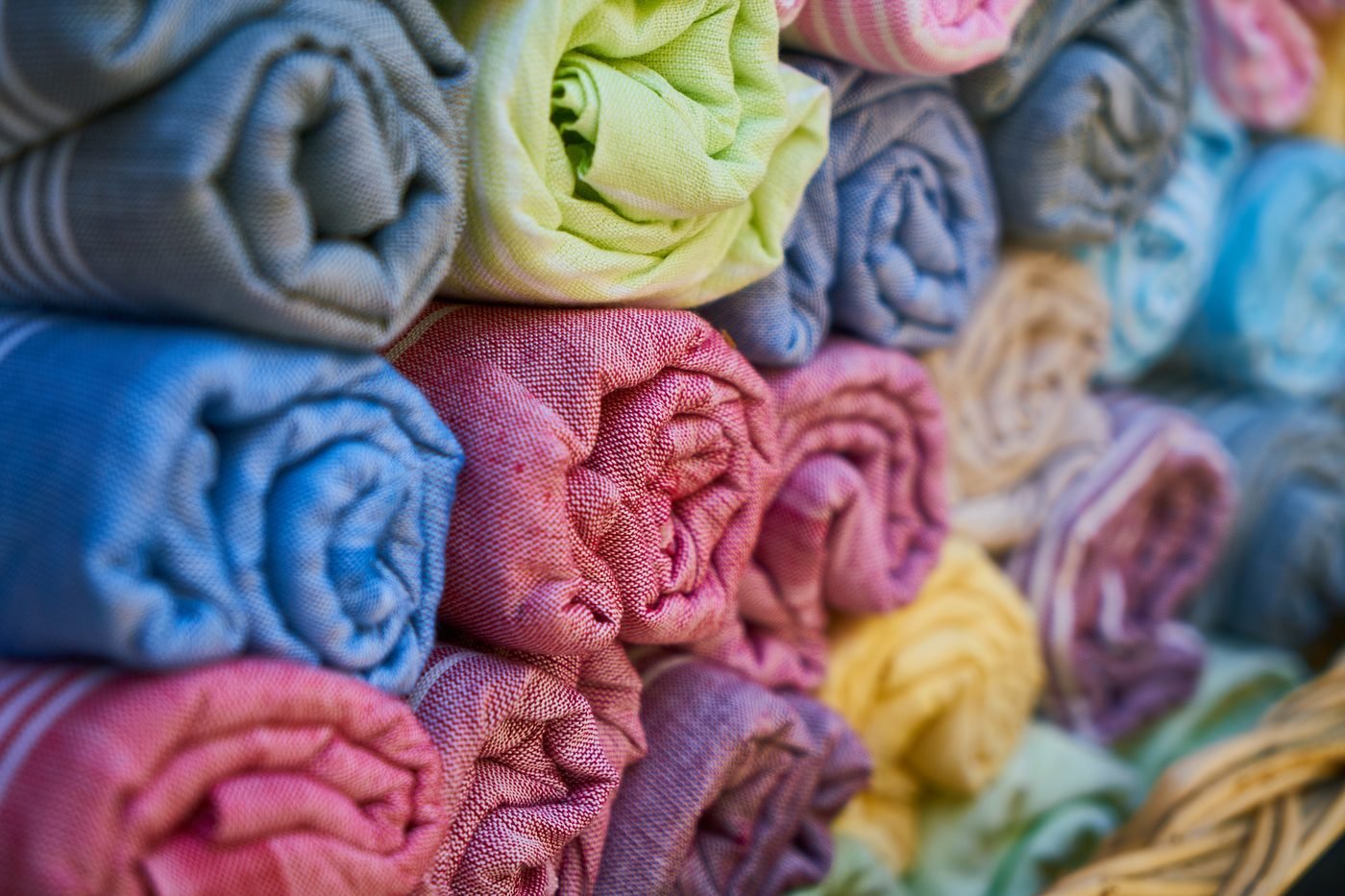
Textile Enzymes
Bio-polishing, desizing, and fabric finishing enzymes for eco-friendly textile processing with better quality and lower chemical load.
Textile enzymes improve fabric quality while reducing harsh chemicals, water use, and energy demand. Amylases remove starch sizes after weaving, cellulases deliver bio-scouring and bio-polishing, and specialty systems support bleaching and finishing.
AQ Bio Solutions textile enzymes help mills achieve cleaner dye uptake, smoother hand feel, and processes such as bio-stoning that recreate stone-washed looks with a lower environmental footprint.
Key Benefits
- Reduced harsh chemical usage
- Improved fabric softness, drape, and appearance
- Better dye absorption and finishing consistency
- Lower water and energy intensity vs traditional routes
- Support for desizing, scouring, polishing, and finishing
Applications
- Desizing of woven fabrics
- Bio-scouring of cotton
- Bio-polishing and anti-pilling
- Peroxide clean-up after bleaching
- Denim bio-stoning and softener systems
Our Products
Textzyme-DSZ (Desizing)
Removes starch from fabrics after weaving · Prepares fabric for dyeing and finishing
Textzyme-ABP (Acid Cellulase Bio Polishing)
Enhances smoothness and softness · Reduces pilling for a polished appearance
Textzyme-CT (Hydrogen Peroxide Killer)
Neutralizes residual peroxide after bleaching · Improves whiteness and reduces fabric damage
Textzyme-NBP (Neutral Cellulase Bio Polishing)
Textzyme-NC
Improves fabric softness · Removes surface fuzz and pills
Text-ASF / CSF / NSF Softeners
Anionic, cationic, and non-ionic softeners for hand feel · Enhance smoothness, reduce stiffness, and improve drape
FAQs
-
01
How do enzymes affect fabric?
Enzymes break down impurities, improve softness, and enhance color results — delivering higher-quality finished textiles.
-
02
Which microbial enzymes are used in textiles?
Common options include amylases for desizing, cellulases for bio-polishing, and pectinases for bio-scouring.
-
03
Why are enzymes beneficial in textile processing?
They reduce chemical usage, save energy, and improve fabric texture, making processing more eco-friendly and efficient.
-
04
Do you offer technical support?
Yes. Our R&D team assists with process optimization, trials, and dosage guidance.